
ByJohn A
AI in Traffic Management and Smart Cities
AI in traffic management integrates real-time sensor, camera, and connected device data to optimize signals, routing, and speed limits. Predictive analytics support governance, explainability, and scalable optimization, translating forecasts into actionable city planning. Real-time interventions and standardized safety metrics enhance safety and interoperability. From data-to-planning workflows to resilience, AI shapes livable, energy-conscious urban design aligned with housing, spaces, and governance goals, inviting operators to assess trade-offs and prepare for implementation.
How AI Drives Urban Traffic Efficiency
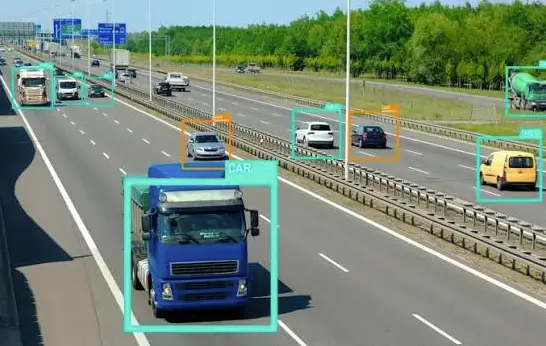
AI-driven traffic systems optimize flow by continuously collecting and analyzing data from sensors, cameras, and connected devices to adjust signals, speed limits, and routing in real time.
The approach quantifies throughput, reduces queuing, and improves reliability with standardized metrics.
It highlights operational flexibility for urban mobility and preserves autonomy, while acknowledging an unrelated topic and speculative futures as contextual references.
Predictive Analytics in Citywide Mobility
The approach emphasizes data governance to ensure quality, security, and compliance, while model explainability supports auditability and stakeholder trust, translating complex forecasts into actionable decisions for planners, operators, and policymakers seeking scalable, transparent optimization.
Real-Time Interventions and Safety Enhancements
Results are measured against standardized safety metrics. Edinburgh insights and Vancouver pilots illustrate scalable practices, prioritizing transparency, interoperability, and rapid deployment to sustain freedom through safer transit environments.
From Data to Planning: Shaping Smarter Cities
Data-to-planning workflows translate raw traffic, environmental, and socio-economic feeds into actionable strategies for urban design and governance.
Planning integrates predictive models, scenario tests, and performance metrics to align transportation, housing, and public space with shared goals.
Emphasis on crowd dynamics informs capacity and flow.
Energy neutrality targets shape infrastructure choices, governance processes, and long-term investments for resilient, livable, freedom-oriented cities.
Frequently Asked Questions
How Is Data Privacy Protected in Ai-Driven Traffic Systems?
Data privacy is ensured through data minimization and consent mechanisms, with systems collecting only necessary information and notifying users about usage. Standards-compliant, auditable processes emphasize transparency, selective sharing, and robust access controls for individuals seeking freedom and accountability.
What Are the Costs of Implementing AI Traffic Solutions?
Initial investigation suggests AI deployment costs vary widely, but substantial investments are needed upfront with ongoing maintenance. Infrastructure scalability influences total expense; standardized data models reduce long-term risk, enabling faster ROI while preserving system resilience and operator autonomy.
Do AI Models Introduce Biased or Unfair Routing Decisions?
Current question: yes, AI models can produce biased routing if data and objectives are flawed; fairness metrics and algorithm transparency are essential to detect, quantify, and mitigate biased routing, ensuring standardized, data-driven, pragmatic evaluation for freedom-minded stakeholders.
How Can Citizens Access or Appeal Data Usage?
Citizens can initiate requests via official data portals; an appeals process exists for grievances or denials. The process emphasizes transparency, timelines, and documentation, ensuring citizen data access rights are upheld through standardized, data-driven procedures.
See also: logzin
What Are the Long-Term Environmental Impacts?
Satirical warning aside, long term emissions and urban heat will rise if systems ignore efficiency. The analysis shows measurable declines only with standardized, data-driven policies, transparent reporting, and freedom-respecting governance that prioritizes scalable, verifiable environmental improvements over hype.
Conclusion
AI in traffic management underpins measurable gains in urban efficiency and safety. A data-driven city uses real-time fusion to reduce queuing and optimize signals, while predictive analytics inform long-range planning. An anecdote: during a summer heatwave, a dashboard flagged congestion hotspots, re-timed signals, and cut peak delays by 18%, like a thermometer guiding a thermostat. This pragmatic approach—data, interventions, and governance—translates forecasts into actionable citywide improvements and resilient, livable urban spaces.